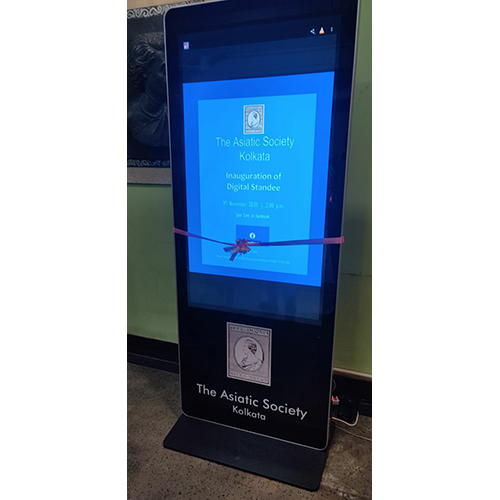
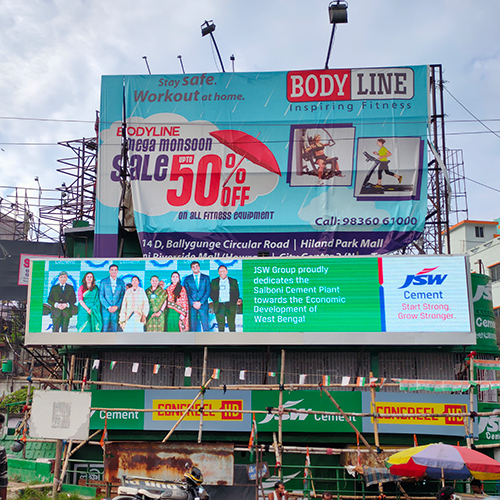
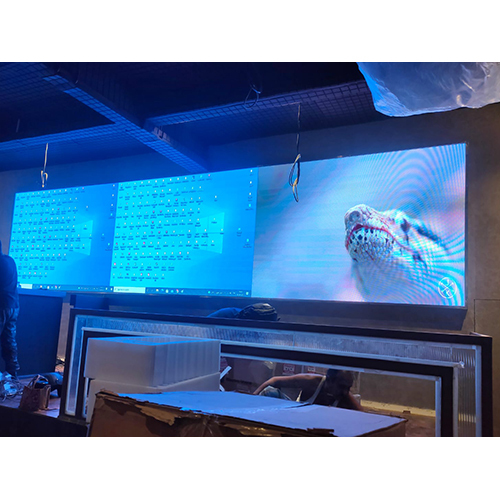
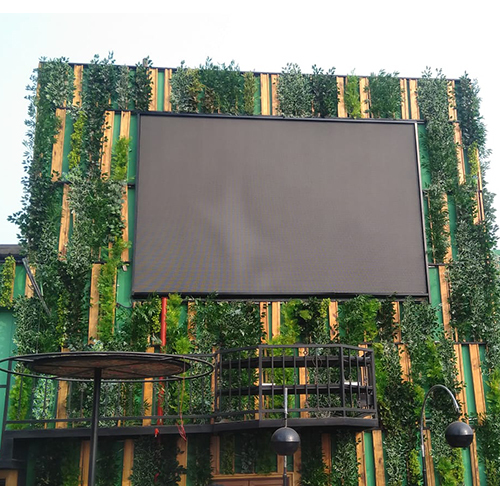
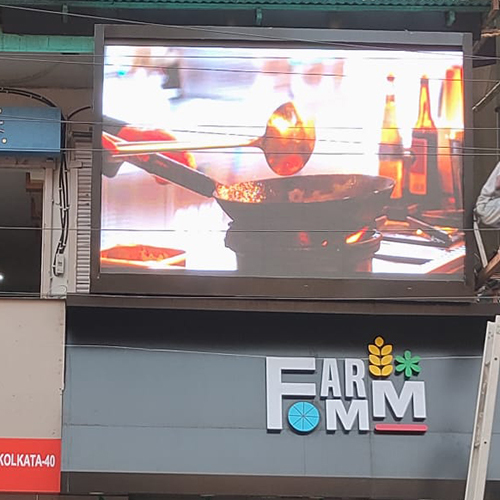
An LED Standee Display, also commonly known as a Digital Standee, LED Poster Display, or Digital Signage Standee, is a modern, free-standing digital display unit that utilizes LED technology to showcase dynamic multimedia content. Unlike traditional static print standees, these displays offer vibrant visuals, animations, videos, and often interactive elements, making them highly effective for advertising, information dissemination, and brand promotion.
Key Characteristics and Features:
- Dynamic Content: The primary advantage is the ability to display a variety of content formats, including:
- High-resolution images and slideshows
- Videos and animations
- Scrolling text and announcements
- Interactive elements (with touch screen variants)
- Portability: Designed to be slim, lightweight, and easy to move, they often come with wheels or a stable base, allowing for flexible placement in high-traffic areas.
- Eye-catching Visuals: The brightness, vibrant colors, and dynamic motion of LED displays naturally grab attention more effectively than static posters.
- Remote Content Management: Content can be updated remotely via Wi-Fi, Ethernet, or USB, enabling real-time changes and scheduled content playback without needing to physically access the unit.
- Seamless Design: They typically feature sleek, contemporary designs with high-resolution screens integrated into a robust frame (often aluminum or steel).
- Durability: Built for continuous operation, many models are designed for both indoor and sometimes semi-outdoor use, with varying levels of weather resistance.
- Customization: Available in various sizes (e.g., 32-inch, 43-inch, 55-inch, 65-inch) and aspect ratios (often portrait mode), allowing businesses to choose a size that fits their space and messaging needs.
- Connectivity: Support for various inputs like HDMI, USB, Wi-Fi, and sometimes Ethernet for flexible content loading and network integration.
Benefits of LED Standee Displays:
- Enhanced Visibility & Engagement: Dynamic visuals are more likely to capture attention and hold audience interest compared to static signs.
- Flexibility & Real-Time Updates: Easily change content for different promotions, events, or times of day, making advertising campaigns highly adaptable and timely.
- Cost-Effective in the Long Run: While the initial investment is higher than print standees, LED standees eliminate recurring printing costs, offering significant savings over time.
- Modern Brand Image: Projects a cutting-edge and professional image for businesses, enhancing brand perception.
- Improved Customer Experience: Can provide engaging information, entertain waiting customers, or even offer interactive wayfinding or product Browse.
- Reduced Environmental Impact: Eco-friendlier than traditional print advertising as they reduce paper waste.
Common Applications:
- Retail Stores & Showrooms: Promoting new arrivals, sales, special offers, product features, and engaging customers at the point of sale.
- Shopping Malls: Guiding visitors, advertising store promotions, and displaying mall-wide events.
- Exhibitions & Trade Shows: Attracting attendees to booths, showcasing product videos, and providing interactive information.
- Hotel Lobbies & Corporate Receptions: Displaying welcome messages, event schedules, facility information, and branding.
- Restaurants & Cafes: Showing digital menus, daily specials, promotional videos, and engaging customers with appealing food visuals.
- Airports & Train Stations: Providing real-time information, travel updates, and destination advertisements.
- Educational Institutions: Displaying announcements, event schedules, and important information for students and visitors.
- Healthcare Facilities: Providing wayfinding, displaying health tips, and updating patients on wait times.
- Car Dealerships: Highlighting new car models, features, and financing offers.
Cost of LED Standee Displays in India (Approximate):
The price of an LED standee display in India varies widely based on factors such as:
- Screen Size: Larger screens are more expensive.
- Pixel Pitch: While often referred to by diagonal size (e.g., 55-inch), the underlying LED panel's pixel pitch (e.g., P2.5, P3) will influence clarity and cost. Finer pitches are pricier.
- Brightness: Higher brightness (for semi-outdoor or brightly lit indoor areas) can increase cost.
- Features: Touchscreen interactivity, advanced processors, and specific software features will add to the price.
- Build Quality & Material: The frame material (aluminum, steel), robustness, and overall finish.
- Brand & Supplier: Reputable brands and suppliers might charge more but often offer better quality and support.


 Send Inquiry



 Send Inquiry


 English
 Spanish
 French
 German
 Italian
 Chinese (Simplified)
 Japanese
 Korean
 Arabic
 Portuguese
