A Curved LED Display is a cutting-edge visual technology that deviates from the traditional flat screen design by incorporating a concave, convex, or wave-like curvature. This unique form factor offers a more immersive and aesthetically striking viewing experience, making them highly sought after for a variety of applications.
How Curved LED Displays are Made:
Curved LED displays are typically constructed using flexible LED modules or specially designed curvable cabinets/panels.
- Flexible LED Modules: These modules are made with flexible circuit boards and soft materials that allow them to be bent and conformed to specific radii. They are then attached to a custom-fabricated curved frame or structure.
- Curvable Cabinets: Some manufacturers produce LED cabinets that are designed with a slight angle or adjustable locking mechanisms, allowing them to be assembled into various concave or convex curves. This modular approach ensures seamless integration when multiple panels are joined.
The curvature can range from subtle to extreme, depending on the desired effect and viewing distance.
Key Benefits of Curved LED Displays:
- Enhanced Immersion: The primary benefit. The curve wraps the content around the viewer's peripheral vision, creating a more enveloping and realistic experience, as if the viewer is part of the content. This is especially impactful for video, gaming, and 3D content.
- Wider Viewing Angles & Reduced Distortion: By directing light more evenly towards the viewer's eyes from various angles, curved displays offer a wider optimal viewing area compared to flat screens. They also minimize image distortion at the edges, which can occur on large flat screens viewed from an angle.
- Reduced Glare and Reflection: The curved surface can help diffuse ambient light more effectively, thereby minimizing glare and reflections from surrounding light sources, leading to a clearer and more vibrant image.
- Superior Aesthetic Appeal: The unique and futuristic design of curved LED displays adds a touch of sophistication and modernity to any environment. They serve as architectural statements, enhancing the visual appeal of buildings, stages, and commercial spaces.
- Better 3D Effect (Naked Eye 3D): The curvature naturally enhances the perception of depth, making them ideal for "naked-eye 3D" displays which create a three-dimensional illusion without the need for special glasses.
- Space Optimization: In some architectural designs, a curved display can better fit a specific wall or corner, effectively utilizing space and creating a more integrated look.
- Increased Engagement: Their novelty and immersive qualities naturally attract more attention and keep audiences engaged for longer periods.
Types and Applications of Curved LED Displays:
Curved LED displays are categorized by their shape and application:
- Concave Curved LED Displays: Curve inward towards the viewer.
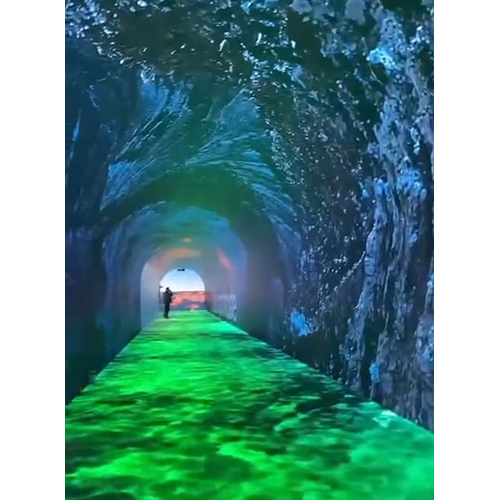
- Applications: Control rooms, cinemas, immersive exhibition spaces, simulation rooms, home theaters, stadium scoreboards (concave to face the audience), and large format digital billboards in public squares.
- Convex Curved LED Displays: Curve outward away from the viewer.
- Applications: Building facades (e.g., around columns or exterior curves), distinctive outdoor advertising structures, and unique architectural integrations where the display follows the building's contours.
- Wave/S-Shaped LED Displays: Combine concave and convex curves to create a dynamic, flowing visual.
- Applications: Artistic installations, retail displays, and stage backdrops for concerts and events.
- Cylindrical/Column LED Displays: Wrap around a cylindrical structure.
- Applications: Pillars in shopping malls, airport terminals, or corporate lobbies for 360-degree viewing.
- Spherical LED Displays: Fully spherical displays.
- Applications: Exhibition centers, science museums, and unique architectural features.
- Right-Angle LED Displays: Designed to create a seamless 90-degree corner without a bezel. While not strictly "curved" in the traditional sense, they eliminate seams in a way that contributes to fluid visual presentations, often creating "naked-eye 3D" effects when combined with specific content.
Specific Use Cases:
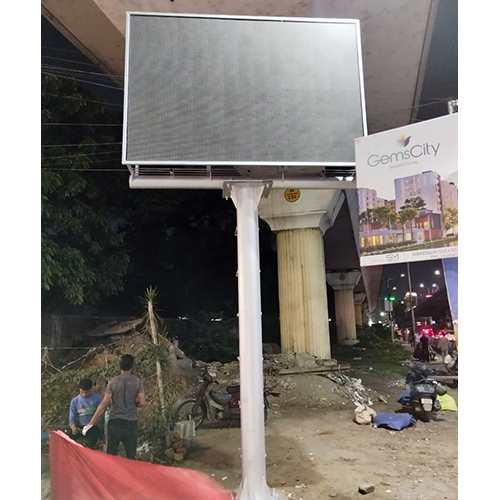
- Advertising & Marketing: Eye-catching billboards in high-traffic urban areas, shopping malls, and retail storefronts.
- Entertainment Venues: Concert stages, nightclubs, theatres, and theme parks for immersive backdrops and visual effects.
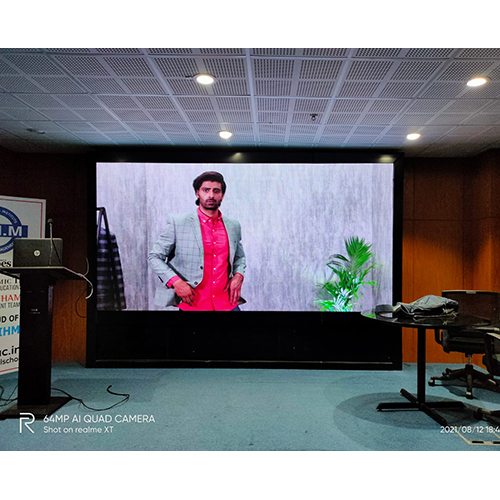
- Corporate & Commercial: High-end lobbies, experience centers, and large conference rooms for impactful presentations.
- Museums & Exhibitions: Engaging visitors with immersive historical or artistic content.
- Virtual Production Studios: Creating dynamic and realistic backgrounds for film and television.
Cost of Curved LED Displays in India (Approximate):
The cost of a curved LED display is generally higher than a flat one due to the specialized manufacturing process, custom framing, and engineering required to achieve the curvature. Prices depend heavily on:
- Pixel Pitch: Finer pixel pitches (e.g., P2.5, P3) for indoor close-up viewing are significantly more expensive than larger pitches (e.g., P6, P8, P10) for outdoor viewing from a distance.
- Size: The total surface area of the display.
- Curvature Radius: More complex or tighter curves might involve higher costs.
- Indoor vs. Outdoor: Outdoor displays require higher brightness, weatherproofing (IP rating), and more robust construction, increasing the cost.
- Type of Curvature: Whether it's a fixed curve, flexible module-based, or a specific shape.
- Manufacturer & Quality: Brand reputation, quality of LED components (lamps, driver ICs), and overall build quality.
- Installation Complexity: Custom mounting structures and intricate installations add to the overall cost.


 Send Inquiry



 Send Inquiry


 English
 Spanish
 French
 German
 Italian
 Chinese (Simplified)
 Japanese
 Korean
 Arabic
 Portuguese
