About Advertising LED Display
Advertising LED displays have revolutionized the way businesses communicate with their target audience. These dynamic digital screens offer a vibrant and engaging platform for promoting products, services, and brands.
Here's a comprehensive look at advertising LED displays:
What is an Advertising LED Display?
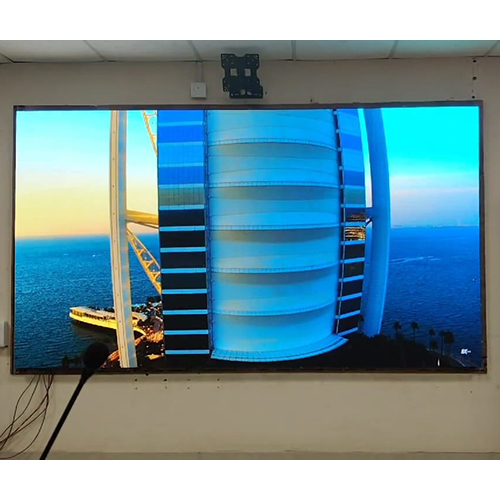
An advertising LED display is a large-format video display that uses an array of light-emitting diodes (LEDs) as pixels to showcase various forms of content, including videos, images, animations, and text. Unlike static billboards or posters, LED displays offer dynamic content that can be changed remotely and in real-time, making them highly effective for attracting attention and delivering timely messages.
Types of Advertising LED Displays
Advertising LED displays come in various types, each suited for specific environments and applications:
1. By Location:
-
Outdoor LED Displays:
- Characteristics: High brightness (5,000 to 8,000 nits or more) to combat direct sunlight, weatherproof and dust-resistant (IP65 or higher rating), durable construction to withstand harsh weather conditions (rain, heat, cold, dust).
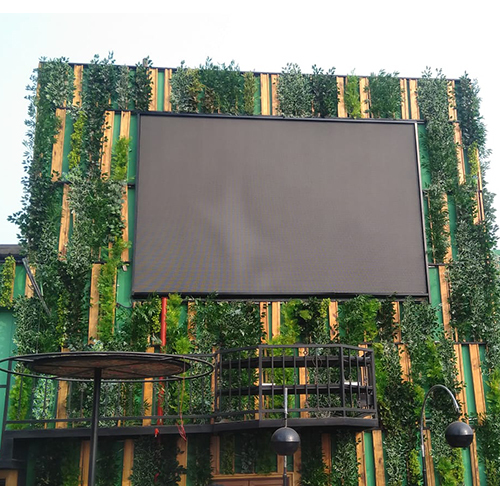
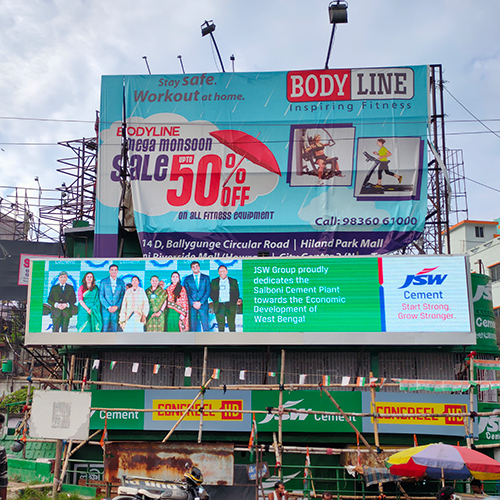
- Applications: Large-format billboards along highways, building facades, public squares, stadiums, outdoor shopping malls, bus stops, and digital signage in public spaces.
- Common Pixel Pitches: P6, P8, P10, and above (larger pixel pitch for longer viewing distances).
-
Indoor LED Displays:
- Characteristics: Lower brightness (typically 1,000-2,000 nits) suitable for indoor lighting conditions, often with a smaller pixel pitch for closer viewing distances, sleeker and lighter design.
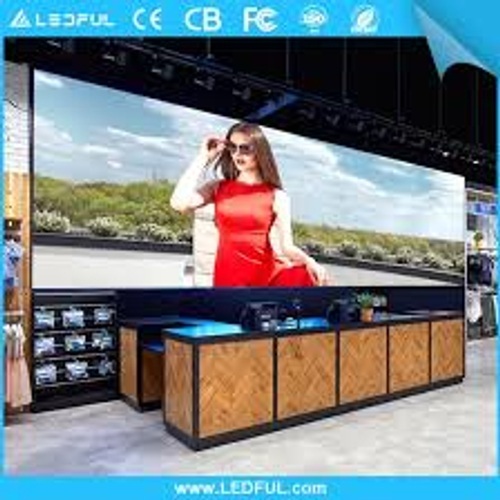
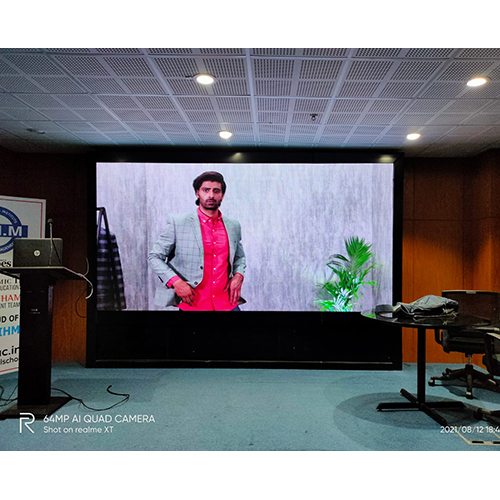
- Applications: Retail stores, shopping malls, airports, train stations, museums, exhibition halls, corporate lobbies, control rooms, and TV studios.
- Common Pixel Pitches: P1.25, P1.5, P2, P2.5, P3, P3.91 (smaller pixel pitch for higher resolution at close range).
2. By Installation Type:
3. By Special Features/Shapes:
-
Transparent LED Displays:
- Characteristics: Integrate LED chips with traditional glass, allowing content to be displayed while maintaining transparency.
- Applications: Storefronts, glass curtain walls, shopping malls, and architectural integration.
-
Flexible LED Screens:
- Characteristics: Can be bent, curved, or molded into various shapes, offering creative design possibilities.
- Applications: 3D displays, curved video walls, unique installations, and artistic displays.
-
LED Standees and Posters:
- Characteristics: Provide dynamic content alternatives to traditional print signage, often slim and portable.
- Applications: Retail stores, exhibitions, trade shows, and temporary promotions within a venue.
-
Naked-Eye 3D LED Displays:
- Characteristics: Create immersive 3D effects without the need for special glasses, often using L-shaped or curved designs.
- Applications: High-traffic areas like shopping malls, urban centers, and entertainment venues where visual impact is paramount.
-
LED Video Walls:
- Characteristics: Composed of multiple LED display panels seamlessly joined together to create a large, unified display.
- Applications: Control rooms, large event backdrops, command centers, and any scenario requiring a very large, high-resolution display.
Key Factors to Consider When Choosing an Advertising LED Display:
-
Purpose and Location:
- Outdoor vs. Indoor: This determines brightness, weatherproofing (IP rating), and pixel pitch requirements.
- Viewing Distance: The distance at which your audience will view the screen directly impacts the required pixel pitch. A smaller pixel pitch means higher resolution and is needed for closer viewing, while a larger pixel pitch is suitable for longer distances.
-
Image Quality and Resolution:
- Pixel Pitch (P-value): The distance between individual pixels (LEDs). Smaller "P" numbers (e.g., P2, P3) indicate a finer pixel pitch and higher resolution, resulting in a clearer image, especially up close. Larger "P" numbers (e.g., P8, P10) are more cost-effective for displays viewed from a distance.
- Brightness (Nits): Crucial for outdoor displays to ensure visibility in daylight. Indoor displays require less brightness.
- Contrast Ratio: Impacts the depth and vibrancy of colors.
- Refresh Rate: A higher refresh rate ensures smooth video playback without flickering.
-
Size and Aspect Ratio:
- Consider the available space and the desired impact. Ensure the aspect ratio (e.g., 16:9 for standard video) matches your content needs.
-
Content Management System (CMS):
- Look for user-friendly software that allows for easy scheduling, uploading, and updating of content remotely (via Wi-Fi, USB, HDMI, or network).
-
Durability and Environmental Ruggedness:
- For outdoor displays, an IP (Ingress Protection) rating of IP65 or higher is essential for protection against dust and water.
- Consider operating temperature ranges for the local climate.
-
Energy Efficiency:
- LED displays, especially large ones, consume a significant amount of power. Look for energy-efficient designs and features to reduce long-term operational costs.
-
Budget and ROI:
- Initial purchase cost, installation, maintenance, and expected lifespan should all be factored into your budget and return on investment calculations.
-
Supplier Expertise and Support:
- Choose a reputable manufacturer or supplier that offers good quality products, reliable warranties, technical support, and after-sales service.


 Send Inquiry



 Send Inquiry


 English
 Spanish
 French
 German
 Italian
 Chinese (Simplified)
 Japanese
 Korean
 Arabic
 Portuguese
